
On February 2, 2026, SpaceX acquired xAI, creating a company valued at $1.25 trillion. Musk, who runs both firms, announced the merger in a memo on SpaceX's website.
He described it as a way to combine rockets, satellites, space-based internet, and artificial intelligence. The main change is the plan to build AI data centers in space, using solar energy and avoiding the limits of Earth's power grid.
xAI, founded by Musk in July 2023, burst onto the scene with its Grok chatbot and a mission to understand the universe through advanced AI. Valued at $250 billion pre-merger, xAI raised $6 billion in its Series B round in May 2024 from heavy hitters like Andreessen Horowitz, Sequoia Capital, and Saudi Arabia's Public Investment Fund.
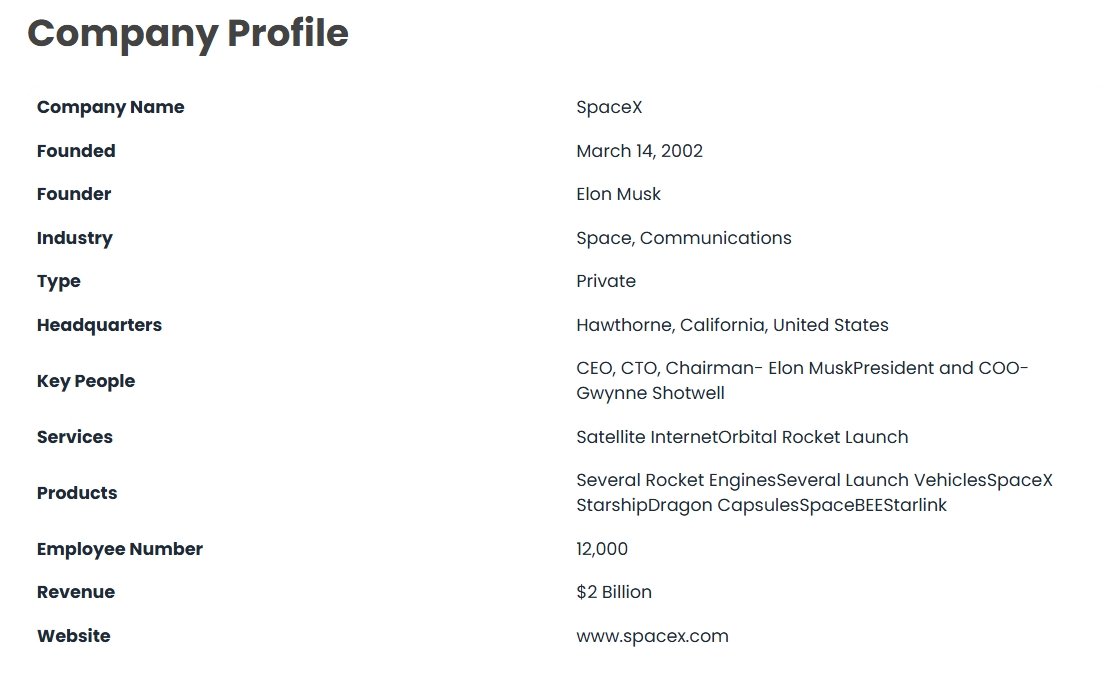
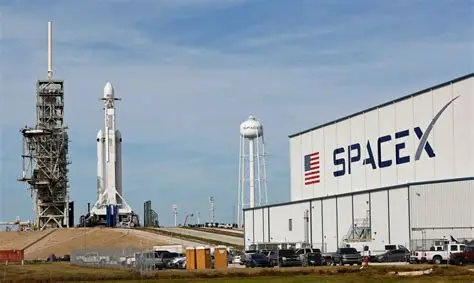
SpaceX, the Hawthorne-based giant behind Starship and Starlink, carried a $1 trillion price tag into the deal. The acquisition folds xAI's talent and tech into SpaceX, creating a vertically integrated beast that handles everything from chip design to orbital deployment.
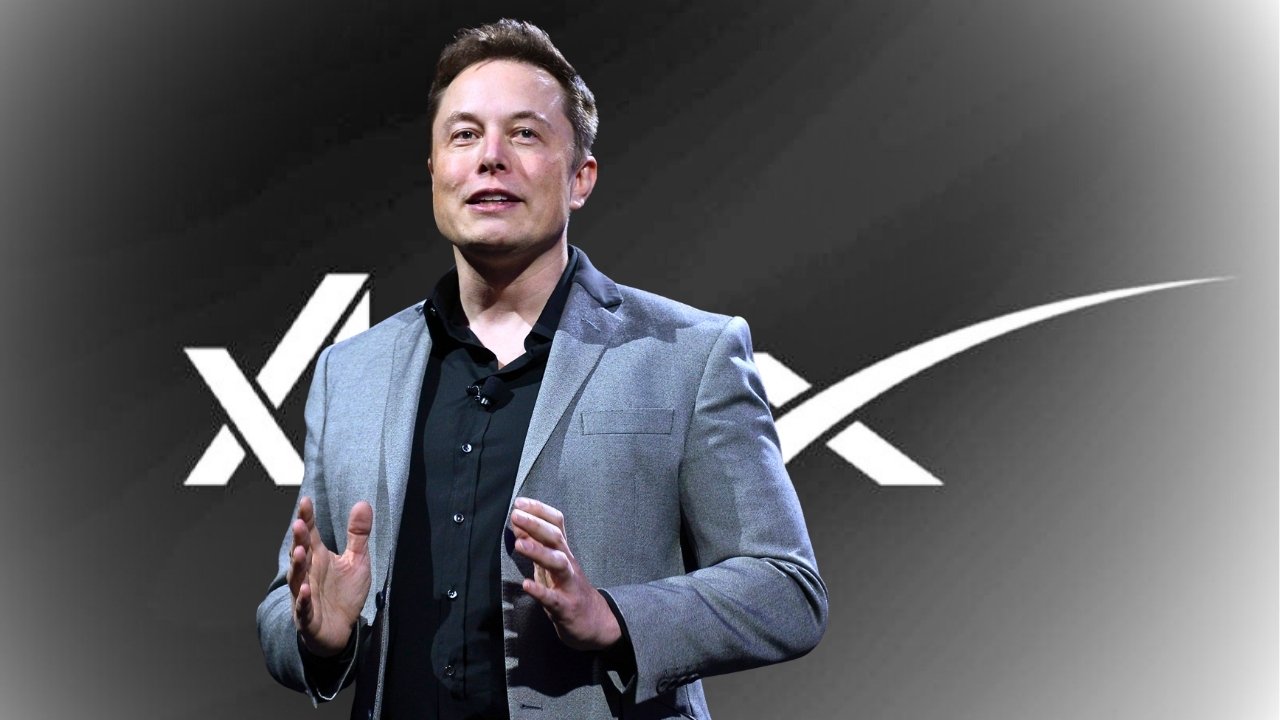
Business-wise, this is Musk consolidating his empire ahead of a potential SpaceX IPO rumored for late 2026. Analysts at PitchBook and Bloomberg peg the move as a masterstroke, adding an AI revenue layer to Starlink's cash flow while positioning SpaceX as the go-to platform for government and commercial AI needs.
"This isn't just a merger; it's a monopoly on the future of compute," said Ali Javaheri, PitchBook's senior emerging spaces analyst.
With AI demand exploding, data centers guzzling more power than entire cities, Musk sees space as “the solution.” Orbital setups tap unlimited solar power, sidestep land costs, and scale without regulatory headaches over water or electricity.
Tech details paint a bold picture. Musk's memo outlines deploying millions of satellites equipped with AI processors, starting with Starship launches to orbit massive server farms. These "orbital data centers" would use solar panels for energy, cryogenic cooling from space's vacuum, and Starlink for low-latency data transfer.
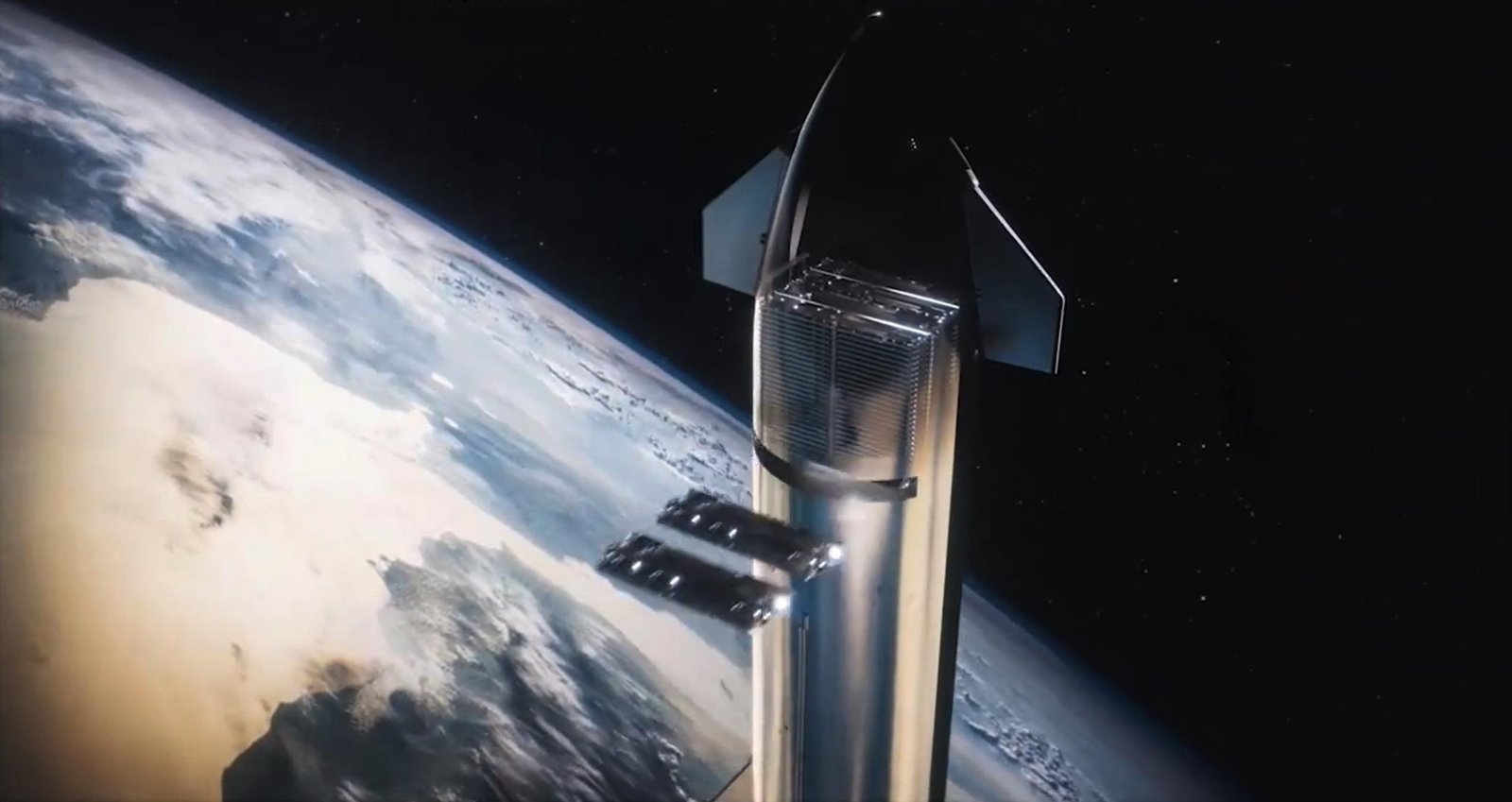
Early tests with Starlink V2 satellites already include onboard compute for edge processing, but this ramps it up to handle training massive models like Grok's successors. Musk predicts space will be the cheapest spot for AI computation within two to three years, slashing costs from $10 per kilowatt-hour on Earth to pennies in orbit.
The plan also includes building factories on the moon to produce AI hardware, using solar power and possibly mining helium-3. Musk links this to the idea of reaching a Kardashev Type II civilization, which would use all the energy from a star. xAI's Grok will work with Starlink to provide real-time AI services worldwide, including for self-driving cars and medical diagnostics.
Regulatory hurdles loom. SpaceX filed with the FCC on February 3, 2026, seeking approval for up to one million "data center satellites" in low-Earth orbit. The proposal frames it as green tech, shifting AI's massive carbon footprint (data centers emit more CO2 than aviation) to clean solar.
FCC Chair Jessica Rosenworcel called it "ambitious but feasible" in a February 5 statement, with hearings set for March. Rivals like Amazon's Project Amelia and Google's orbital plans now face a juggernaut.
Musk already leads the largest satellite network, operates the most powerful rockets, and oversees a leading public AI.

By merging xAI into SpaceX, he aims to deploy AI data centers in orbit powered by millions of solar-equipped satellites, with plans for lunar factories and aspirations toward Kardashev Type II capabilities.
That is getting into Lex Luthor territory, one man deciding he should own the sky, the energy, and the intelligence that runs everything. Luthor owned the villain role. Musk sells it with memes and talk of Mars. But the result is the same: one unelected person holding orbital supremacy and AI power no one can touch.
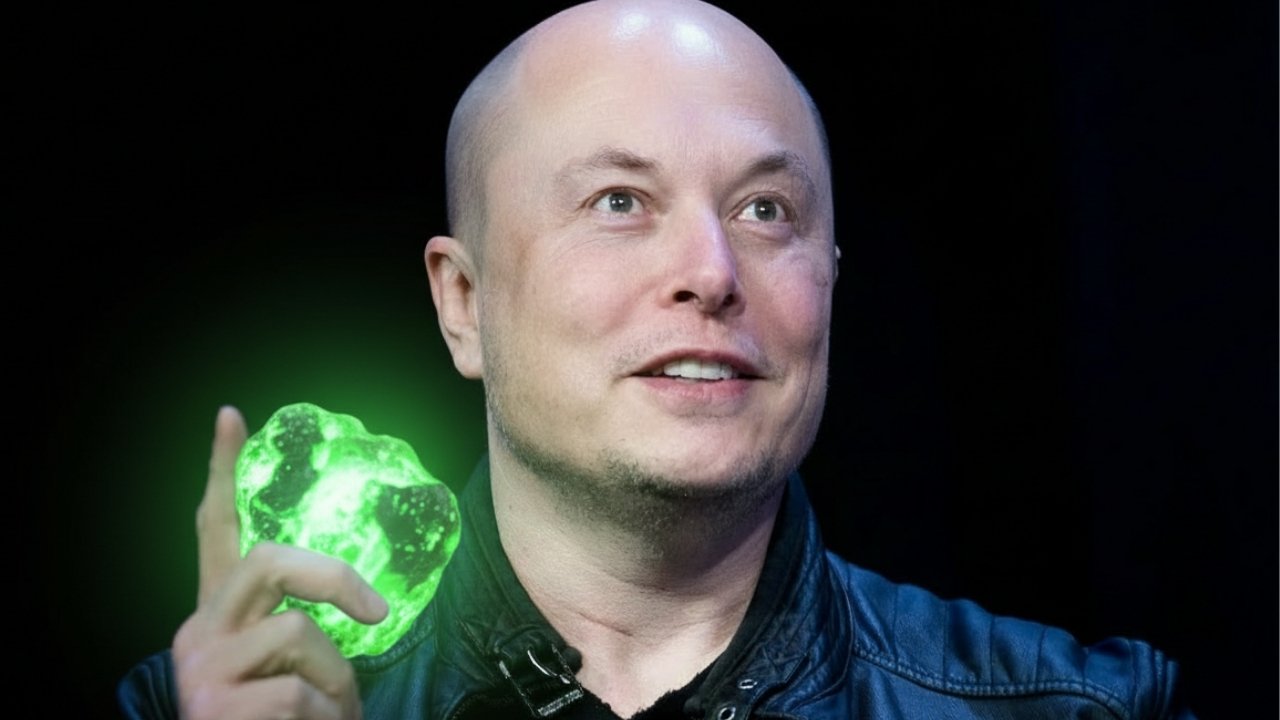
When one man can place supercomputers in space beyond any control, it makes you wonder if we are building progress or just giving tomorrow to the guy who already owns too much of it.