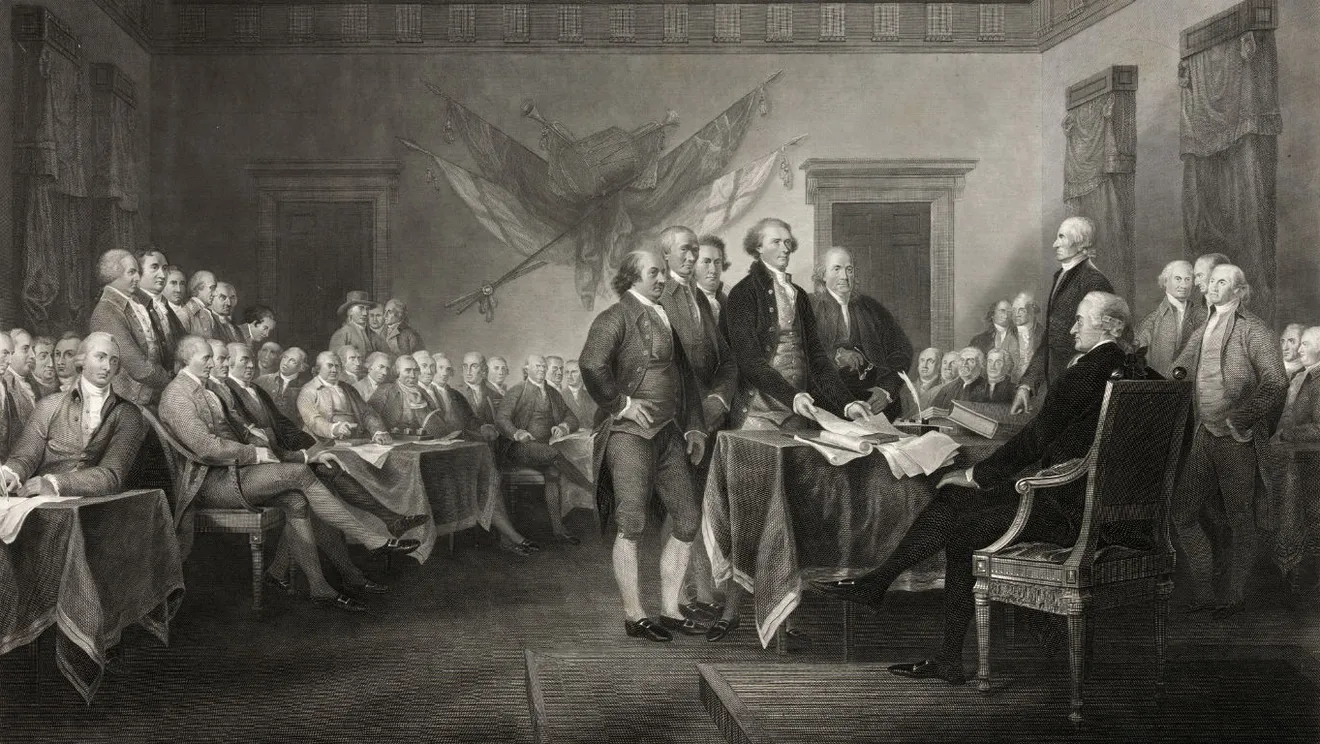
Two hundred and fifty years ago, on July 4, 1776, the Declaration of Independence set forth a vision, a promise, for a free nation.
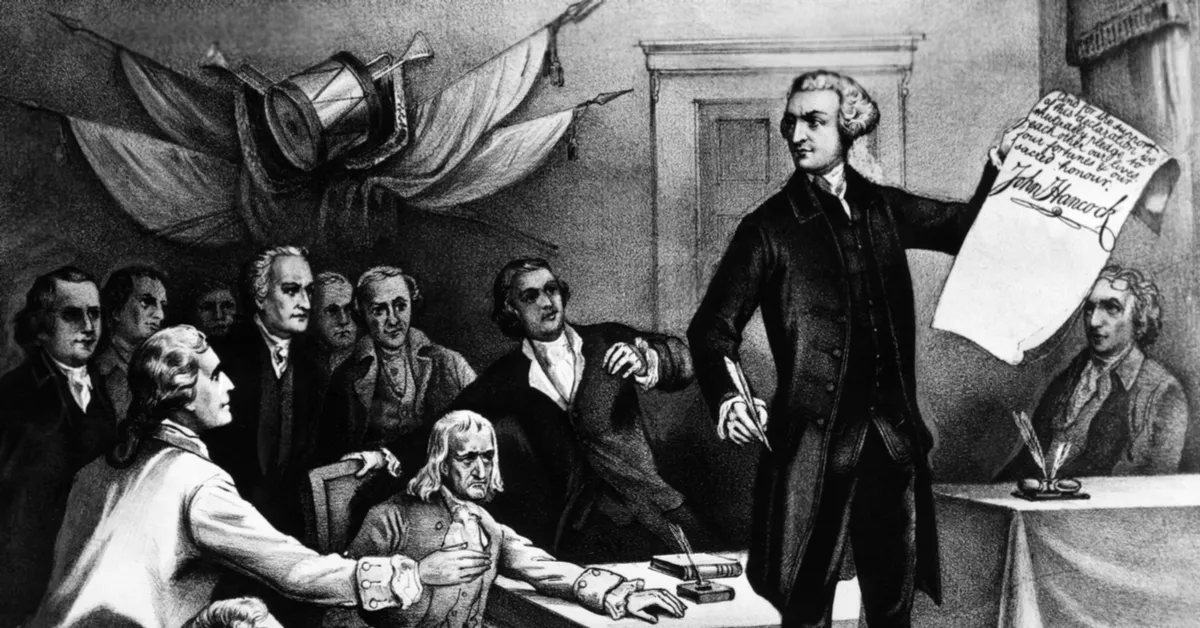
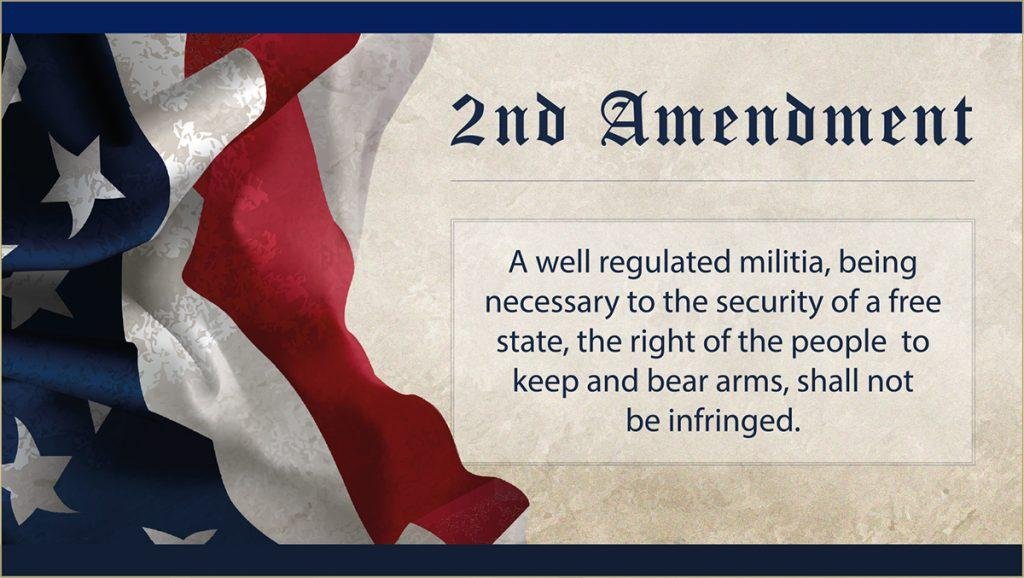
That vision demanded safeguards against oppression, and none proved more vital than the Second Amendment, ratified on December 15, 1791, as part of the Bill of Rights. It states, "A well-regulated Militia, being necessary to the security of a free State, the right of the people to keep and bear Arms, shall not be infringed."
This provision drew on English precedents, such as the 1689 Bill of Rights, which allowed Protestants to arm themselves for self-defense, but it addressed American fears rooted in colonial experiences under British rule.
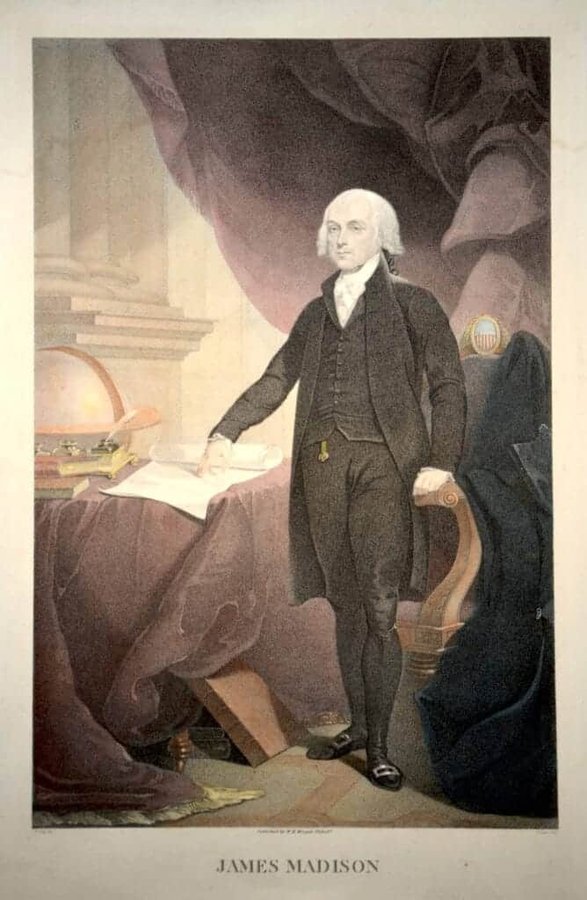
The Founders, including James Madison, who drafted the amendment, viewed standing armies as tools of tyranny, much like the British forces that had quartered in homes and suppressed dissent. They envisioned citizen militias, drawn from the people, as the primary defense against both foreign invaders and domestic overreach.
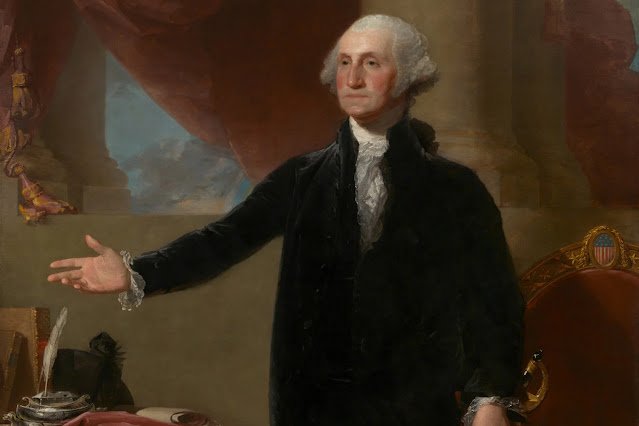
The great George Washington, who led the Continental Army through the Revolutionary War from 1775 to 1783 (43-51 years old in that period), embodied this ethos.
He fought with his own hands at battles like Yorktown in 1781, relying on armed patriots equipped with muskets and rifles to help secure victory. Washington warned in his 1796 Farewell Address that "overgrown military establishments" threatened liberty, reinforcing the need for an armed populace.
The Second Amendment's core purpose extends beyond hunting or sport. It serves as a means of self-defense against threats in daily life, but its deeper intent is to deter tyranny and invasion.
Citizens have used firearms for self-defense in countless instances, but, for national defense, restrictions must not hinder access to effective arms. The Founders did not envision limits to semi-automatic rifles or “standard-capacity” magazines, to certain calibers, etc. Current laws in far-left states weaken our collective readiness.
California's assault weapons ban, enacted in 1989 and expanded since, and New York's SAFE Act of 2013, which prohibits magazines over seven rounds, not only infringe on rights but also leave citizens vulnerable in crises. Such measures contradict the Constitution's spirit, as evidenced by rising crime rates in these areas. California's violent crime rates, including homicides, have surged in recent years because of strict gun laws that disarm law-abiding citizens while criminals ignore them entirely.
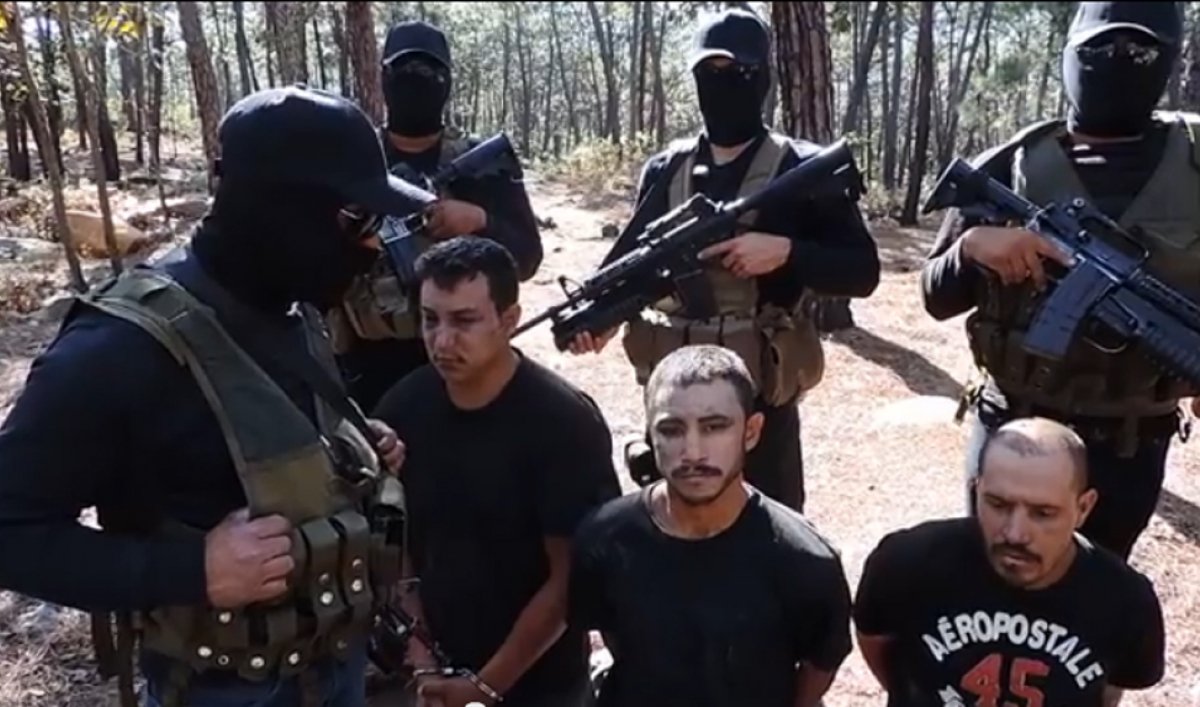
The bad guys will get them whether they are legal or not, so the only people disarmed by the law are good citizens.
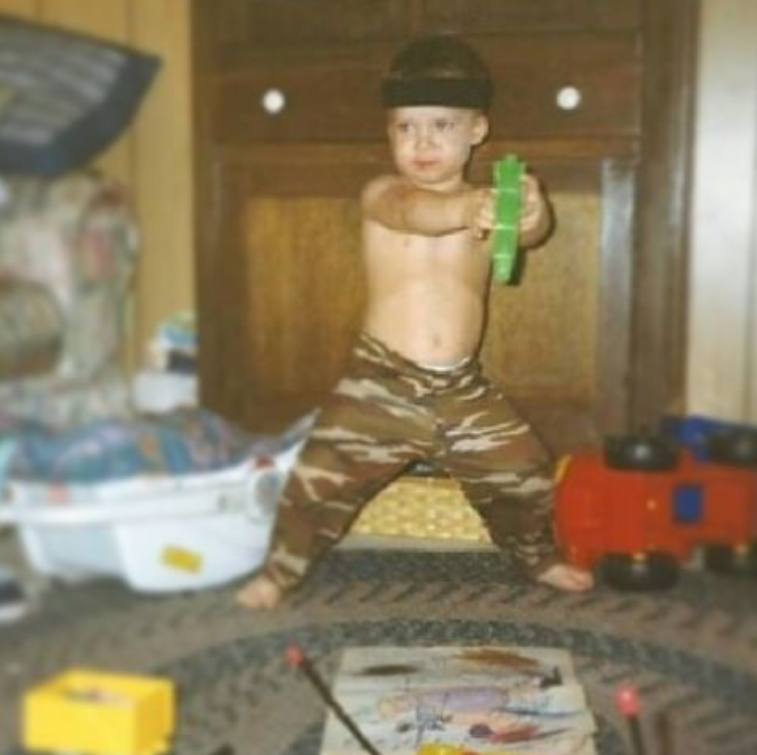
Where I come from, learning to handle a firearm safely and responsibly is a rite of passage, handed down from father to son. My own dad started teaching me around age seven or eight, showing me how to respect the weapon, keep my finger off the trigger until ready to fire, and treat every gun as loaded. By thirteen or fourteen I took the hunter's safety course, learning the rules of the field and the weight of responsibility that comes with carrying a gun.
At twenty-one I got my concealed carry license, though now in Tennessee and many other states that step is no longer required, because good people should not need government permission to defend themselves, and states are recognizing that right.
The United States is a gun nation. We are a country whose people have had them in some form since the very beginning. America's history brims with ingenuity that has advanced this right.
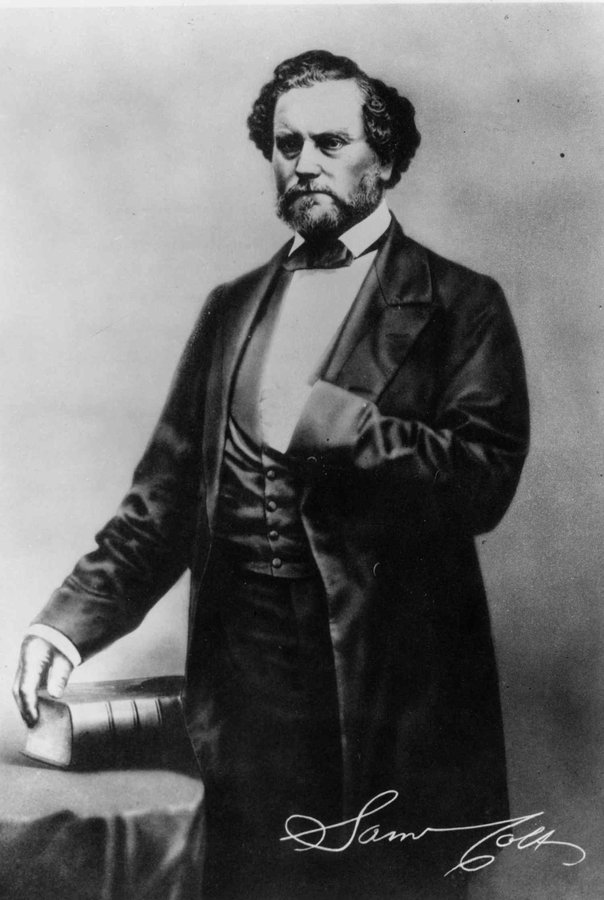
Samuel Colt, born in 1814, revolutionized firearms with his 1836 patent for the revolving cylinder, leading to the Colt Paterson revolver and later the 1873 Single Action Army, known as the Peacemaker.
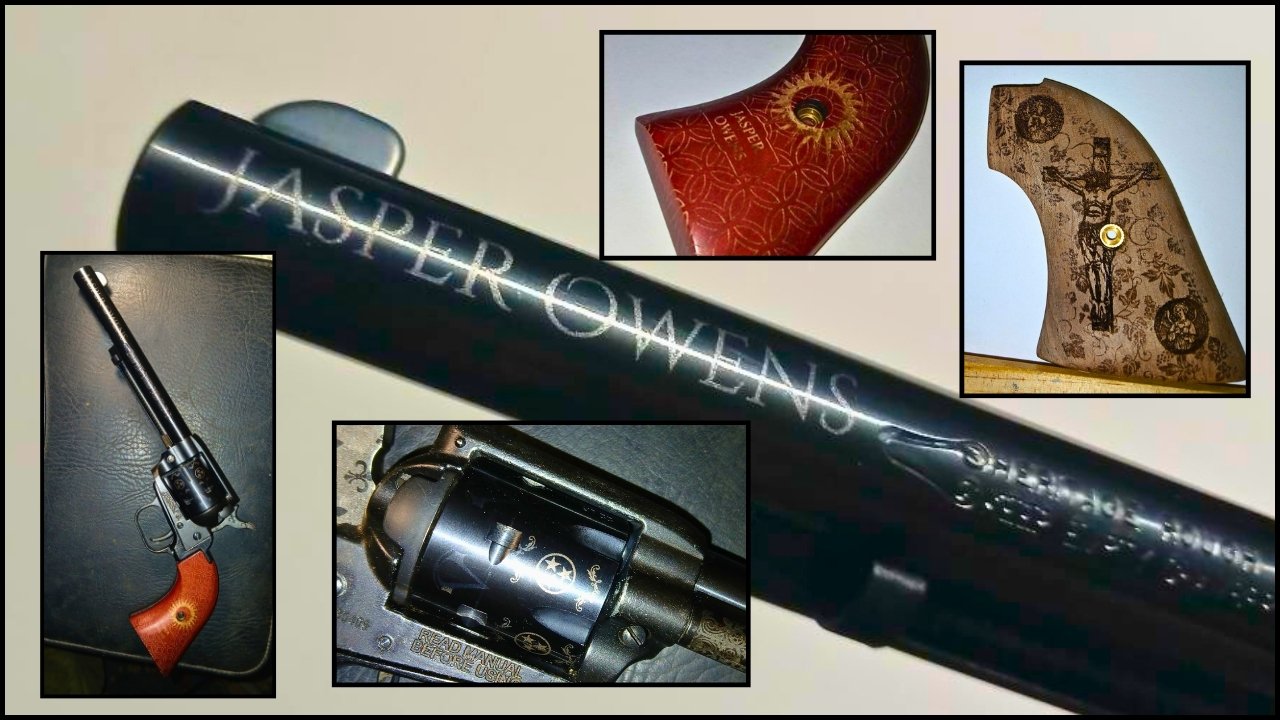
This six-shot handgun empowered settlers during Western expansion from the 1840s onward, aiding in defense against outlaws and hostile encounters as pioneers pushed from Missouri to California.
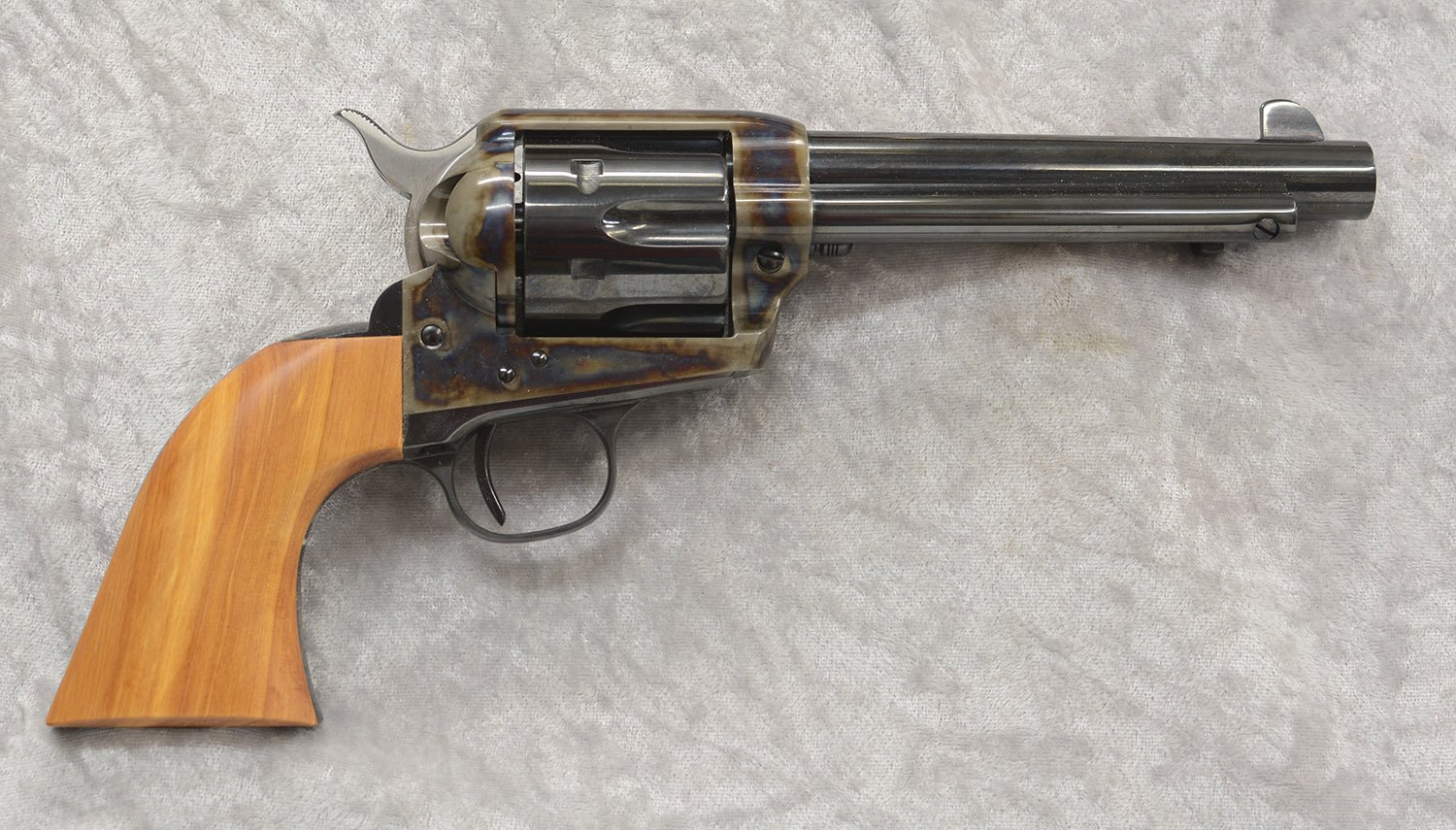
The Colt-style revolvers are still popular today, with affordable version from companies like Ruger and Heritage Arms.
Oliver Winchester, founding the Winchester Repeating Arms Company in 1866, built on Henry rifle designs to create the Model 1873 lever-action rifle, dubbed "the gun that won the West." It allowed rapid fire of up to 15 rounds, proving invaluable in the Indian Wars and on the frontier. This style is still extremely popular today.
John Moses Browning, the prolific inventor with 128 patents, designed icons like the Winchester Model 1894 lever-action rifle in 1894, the Colt Model 1911 semi-automatic pistol in 1911, and the Browning Automatic Rifle in 1918.
These innovations spanned the Civil War and beyond, during which rifled muskets like the Springfield Model 1861 increased accuracy and lethality, enabling Union forces to prevail in battles such as Gettysburg in 1863.
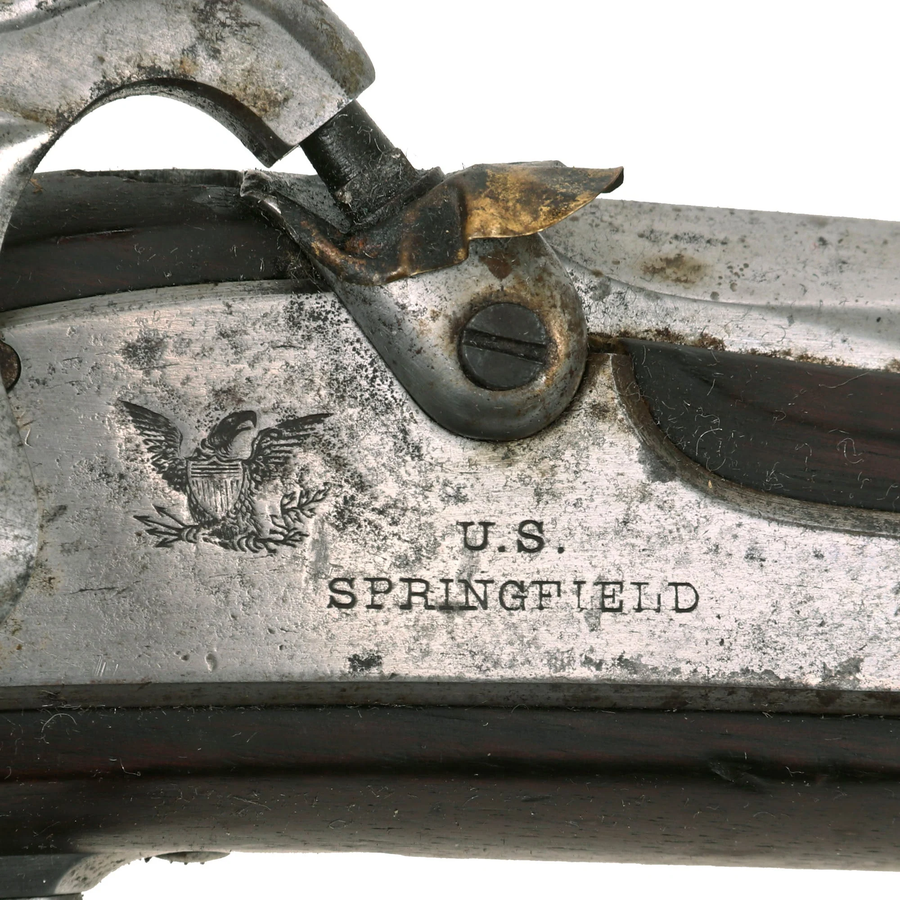
Firearms facilitated Western expansion, arming homesteaders under the 1862 Homestead Act as they tamed vast territories from Kansas to Oregon, often clashing with Native American tribes in conflicts like the Battle of Little Bighorn in 1876.
From Washington's era to today, arms have preserved order and liberty.
In the Civil War from 1861 to 1865, repeating rifles like the Spencer carbine, adopted in 1863, gave Union cavalry an edge, firing seven rounds before reloading. Post-war, soldiers and police have relied on evolving designs to maintain peace and gain the upper hand over aggressors and evildoers, from the M1 Garand in World War II to modern AR-15 platforms.
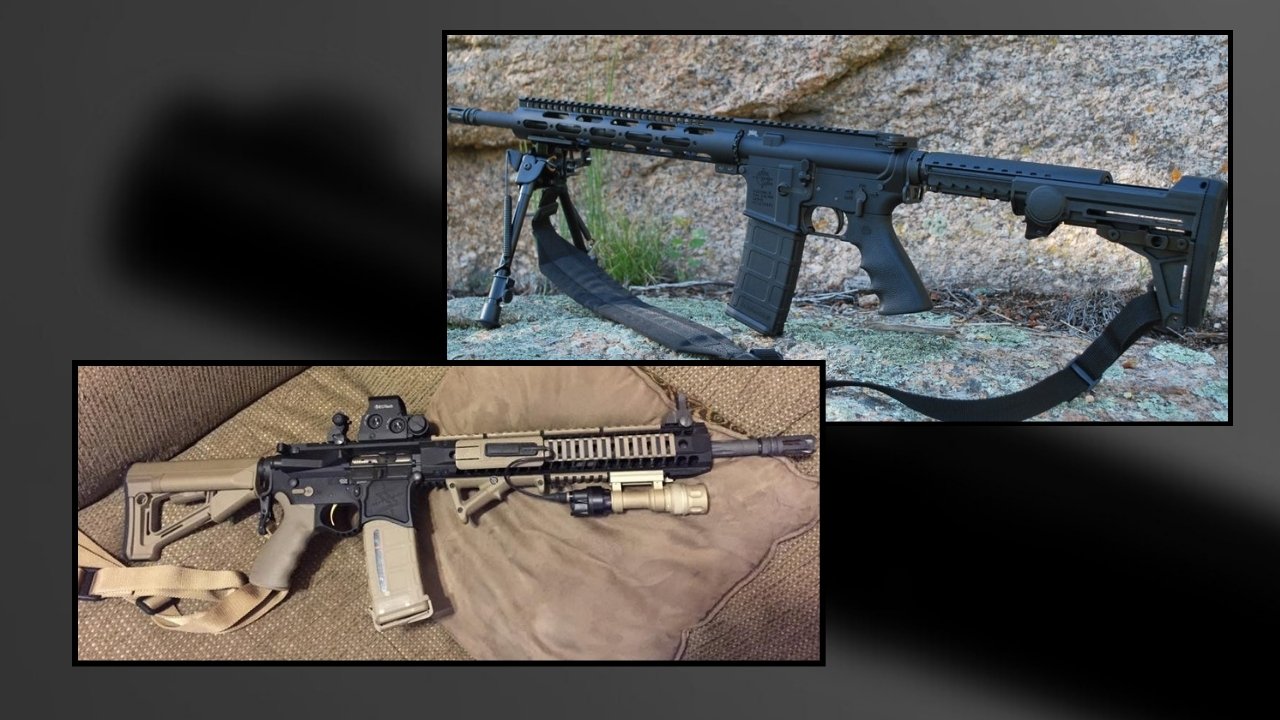
That same tradition of proper, safe handling and correct use lives on today. In countless American families, teaching a young man or woman how to shoot straight, safely, and with discipline remains one of the most important lessons a parent can give.
It builds character, instills respect for life and property, and prepares citizens to stand ready when called upon, whether protecting their home or standing against greater threats to our way of life.
Imagine police officers stripped down to batons and pepper spray, facing off against Mexican cartels armed with fully automatic rifles, grenades, and improvised explosives, or Islamic terrorists equipped with military-grade weapons smuggled across open borders.
Law enforcement would be outmatched in seconds, unable to respond effectively to ambushes, drive-by shootings, or coordinated attacks on communities.
The streets would become war zones controlled by criminals and jihadists, while ordinary Americans, already disarmed by leftist gun bans, would have no realistic means to protect their families or neighborhoods. This is the logical endpoint of any policy that restricts the tools citizens and officers need to match real threats.
The fact that many far-left extremists would have the police themselves disarmed is telling of where their allegiance lies. It's not with the American people.
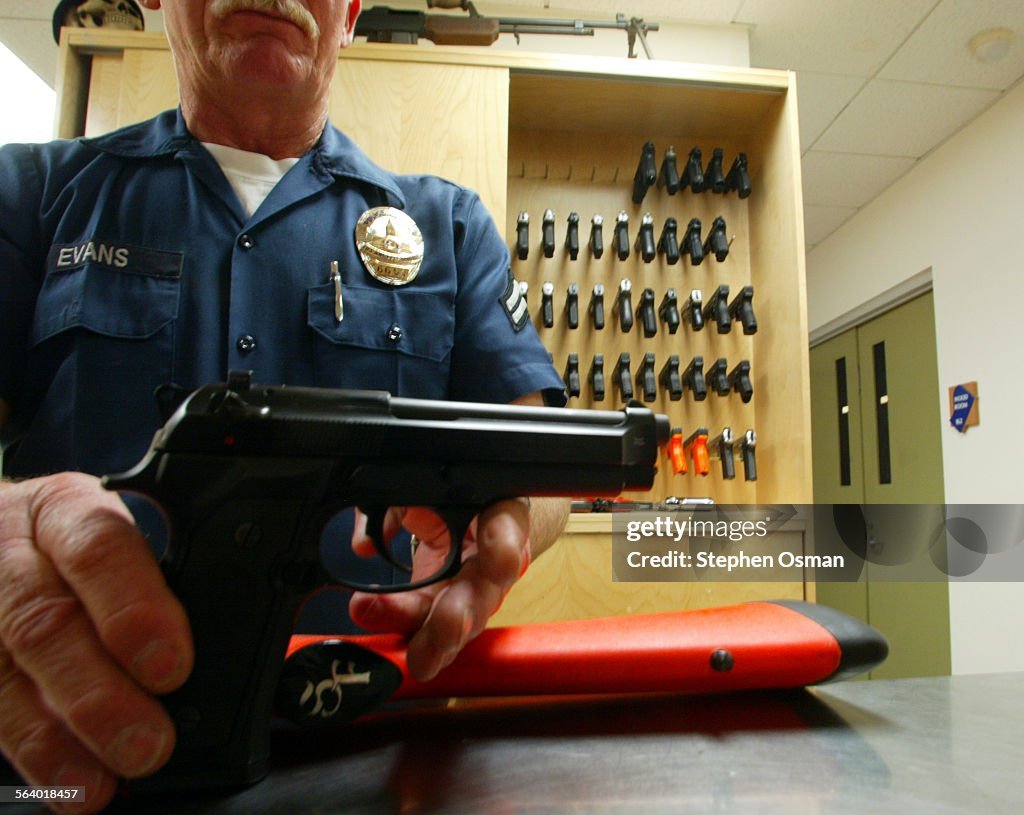
The Beretta 92 series, especially the 92FS, became the go-to sidearm for American police after the military adopted it as the M9 in 1985. From the late 1980s through the early 2000s, the LAPD and Los Angeles County Sheriff's Department put the 92FS on the hips of thousands of officers every day. Departments trusted it for its reliability and open-slide design that rarely jammed.
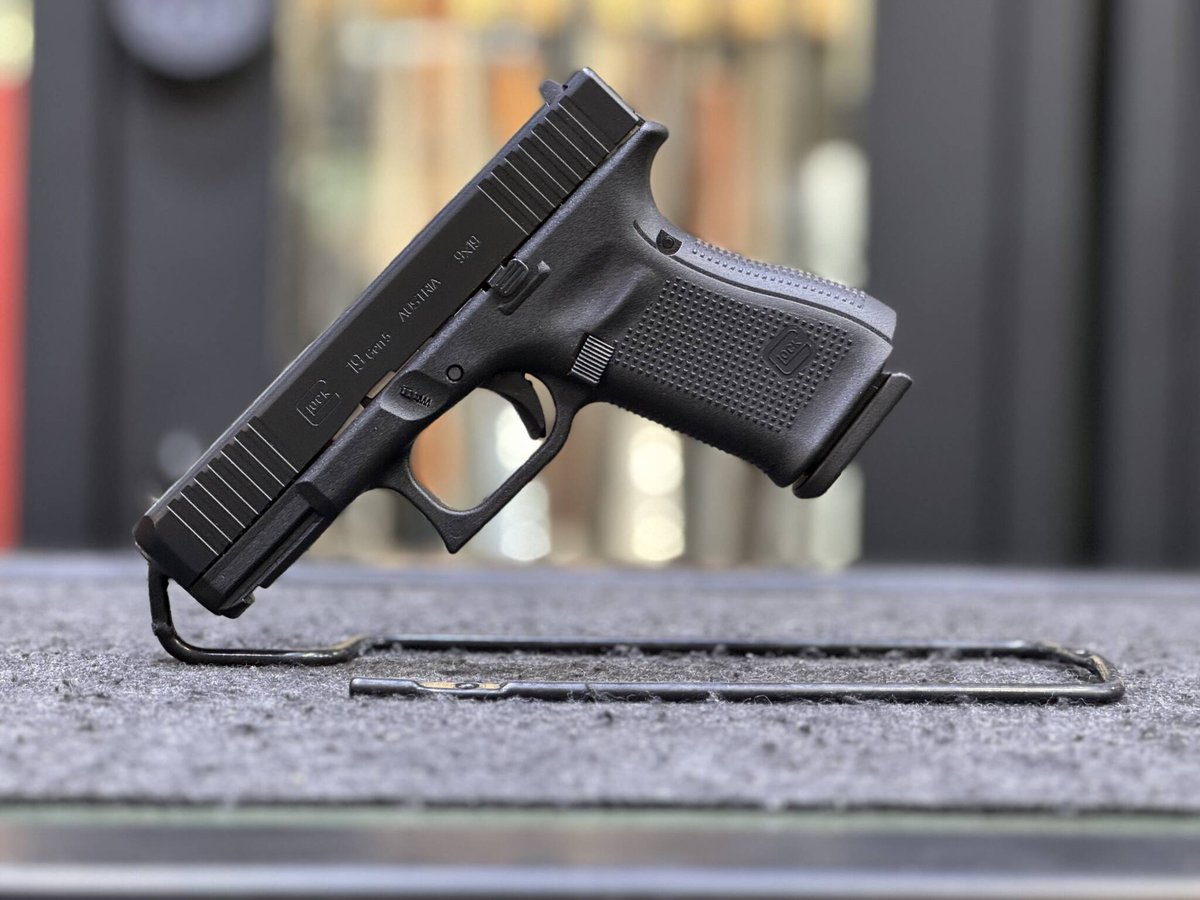
Only when the wave of polymer-framed pistols like Glock arrived around 2010 did agencies start to move away from the old double-action/single-action workhorse.
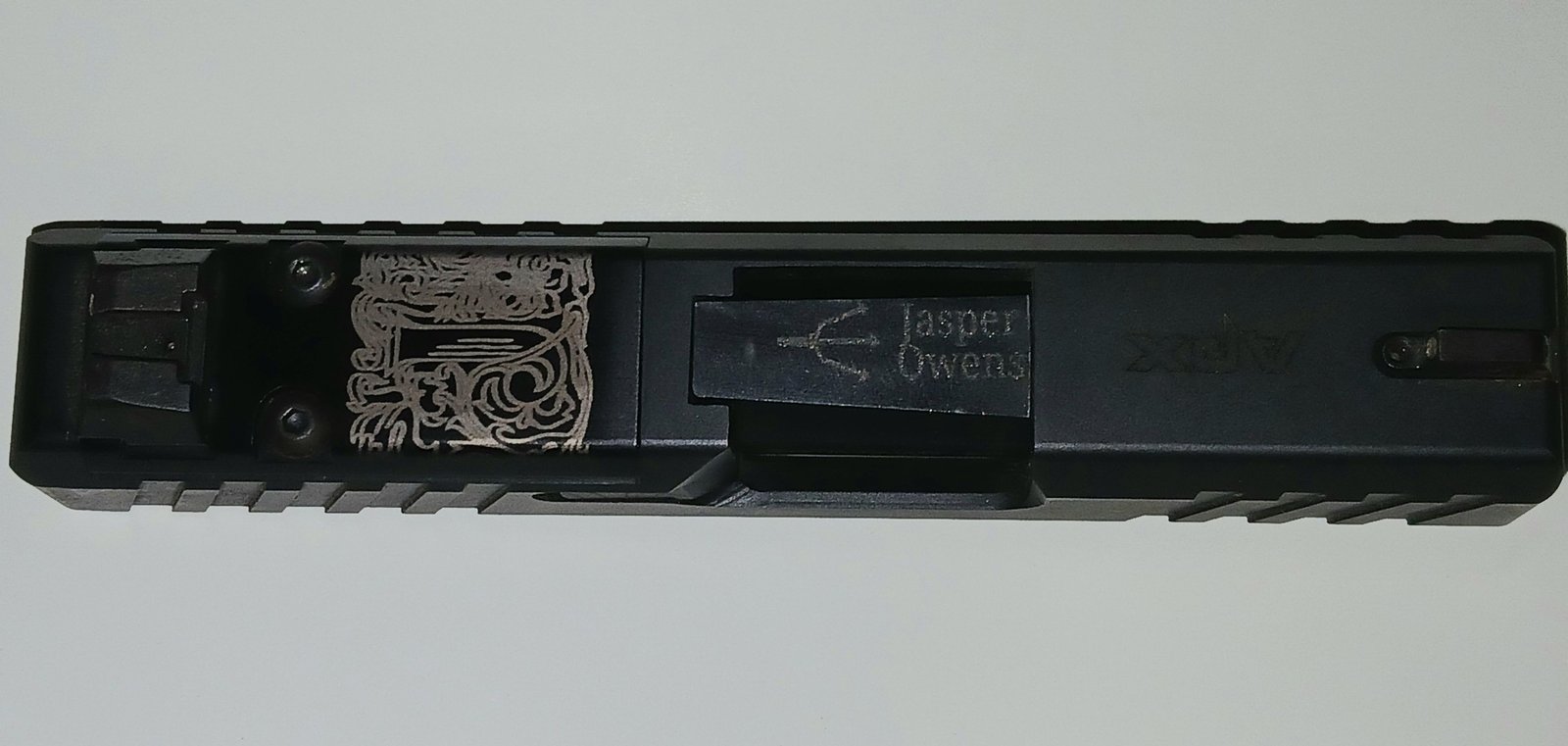
Right here in Tennessee, Beretta USA runs its main manufacturing and research plant in Gallatin. After leaving Maryland, Beretta opened the 156,000-square-foot facility in 2016 on 100 acres at 1399 Gateway Drive. The plant produces handguns, shotguns, and rifles and has brought hundreds of jobs to the area. The factory keeps American-made Berettas in the hands of law enforcement, the military, and civilians, all built in our own backyard.
An armed populace and properly equipped police remain the only realistic deterrent against such overwhelming evil.
As we commemorate 2026 and our nation’s 250th birthday, let’s remember the rights and responsibilities bestowed upon us, the people, in our founding documents. In this spirit, we stand strong, united, and armed for the next 250 years.