This pattern of ingratitude runs through every major alliance and trade agreement we have entered over the past century, where the US pours out billions in aid and opens our markets wide, only to watch jobs ship to India and Pakistan, illegal immigrants pour across our borders, and our own security get undermined by partners who never reciprocate with equal commitment or loyalty.
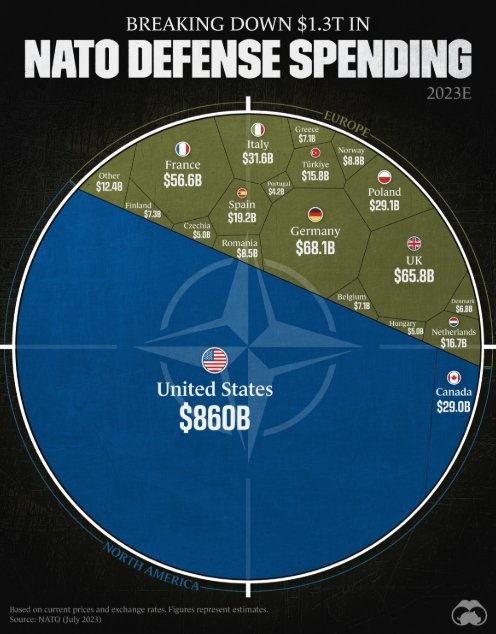
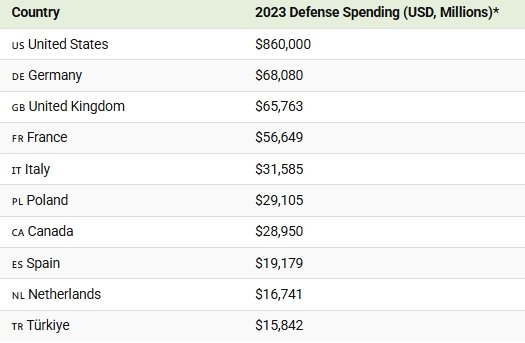
The U.S. is by far the largest contributor to NATO’s budget. In 2023, the country accounted for $860 billion spent by the organization, representing 68% of the total expenditure. This amount is over 10 times more than that of the second-placed country, Germany.
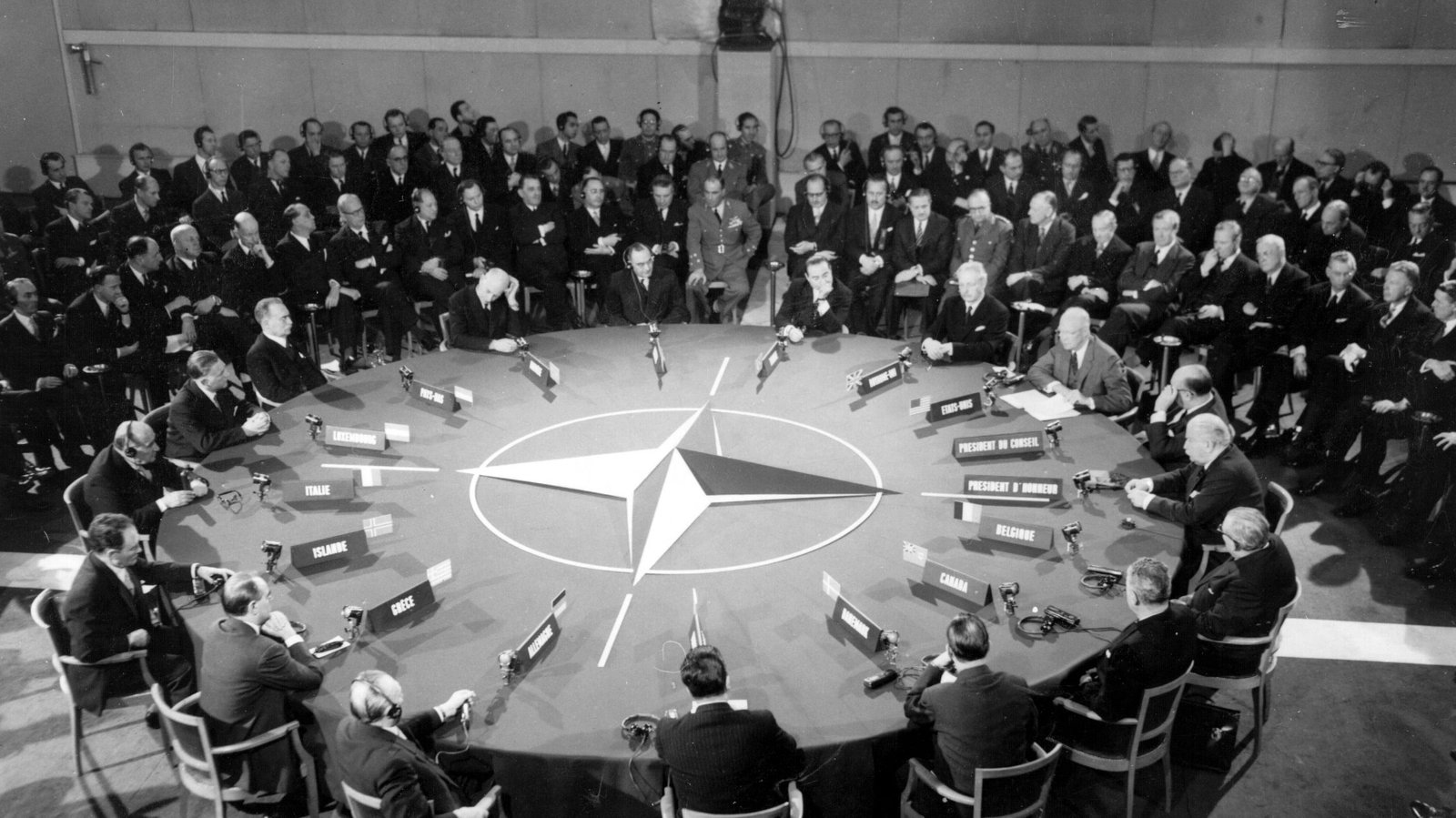
The United States has carried NATO since its founding in 1949, providing the overwhelming share of its military power, strategic lift, satellite intelligence, and command structures that make the alliance functional. Without American airborne warning systems, joint training infrastructure, and integrated intelligence capabilities, NATO would collapse into a collection of mismatched national forces unable to operate together effectively.
The US enables virtually all of NATO's command, control, and intelligence functions, yet allies have long maintained caveats and restrictions that limit what they share with us, citing their own security concerns or procedural rules while expecting full access to our resources.
This one-sided dynamic is no accident. NATO intelligence sharing operates under strict national controls, where member states decide what data to release based on their own interests. The US often faces barriers because allies fear leaks or want to protect sources, even though we provide the platforms and funding that generate much of the data in the first place.
In joint operations, American forces routinely supply the bulk of reconnaissance and surveillance, but when it comes time to push information back to Washington, restrictions kick in to safeguard European sensitivities. The result is an alliance where America gives the most and gets hedged access in return, a betrayal dressed up as prudent policy.

This same imbalance defines our broader international commitments. Post-World War II arrangements like the Marshall Plan poured billions into rebuilding Europe, stabilizing it against Soviet threats and creating the conditions for NATO itself.
In exchange, we got some strategic positioning, but over time European nations rebuilt their economies on American dollars while consistently underfunding their own defense, forcing the US to cover shortfalls that should have been shared equally.
Trade pacts followed the same pattern. NAFTA promised mutual growth but instead accelerated the loss of manufacturing jobs to Mexico, with nearly 700,000 positions vanishing as companies chased lower wages and weaker regulations. We gained nothing comparable, just a flood of illegal immigration that overwhelms our communities, schools, and hospitals without any enforceable controls from our trading partner.
Agreements with India and Pakistan repeat the exploitation over and over. Through nuclear deals and trade frameworks, American companies outsourced millions of IT and service jobs to India, hollowing out opportunities for our own workers while corporations profited from cheap labor.

Pakistan has received over $33 billion in US aid since 2001, much of it for counterterrorism, yet cooperation remains spotty and textile exports undercut American producers. In every case, we open doors, provide aid, and absorb the costs of instability, while partners export their unemployment and send waves of illegal entrants across our borders.
Illegal immigration, often fueled by weak enforcement in partner nations, has brought millions into the country, straining resources and eroding the cultural foundation built by generations of Americans who value family, faith, and self-reliance.
Job outsourcing to Asia drives wage stagnation and despair in heartland communities, where traditional industries once supported strong families and local churches. Alliances that should strengthen us instead enable adversaries and drain our strength, with Islamic-majority recipients of aid frequently harboring anti-American elements that threaten our pro-Israel stance and Christian heritage.
America must demand better. An America First policy means renegotiating every lopsided deal to secure real reciprocity.
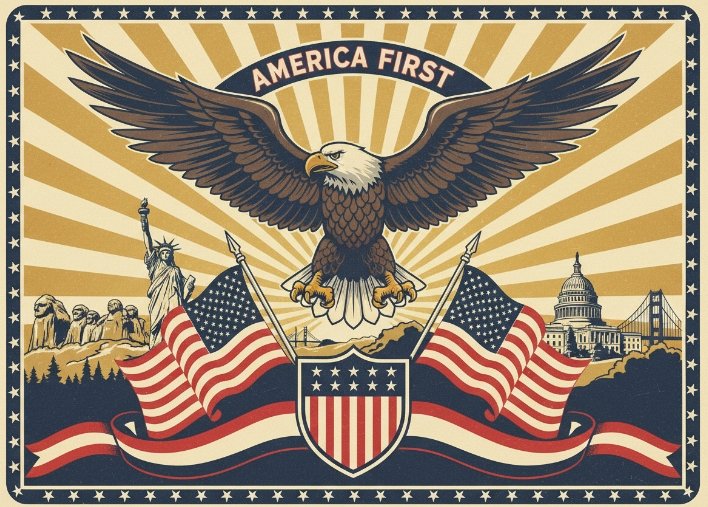
We need strong borders against illegal flows, protection for domestic jobs, and allies who match our commitments without caveats or excuses. No more funding partners who treat us as second-class members in the very alliances we sustain. By putting our workers, families, and sovereignty first, we can restore fairness and strength, ensuring that future partnerships honor the values and sacrifices that built this nation into the greatest power on Earth.